Insulation plays a huge part in keeping buildings energy efficient. Through thorough insulation not only of lofts, but of floors, walls and ceilings, you keep the heat in and regulate and condensation out, helping you use less energy and rely less on energy bills.
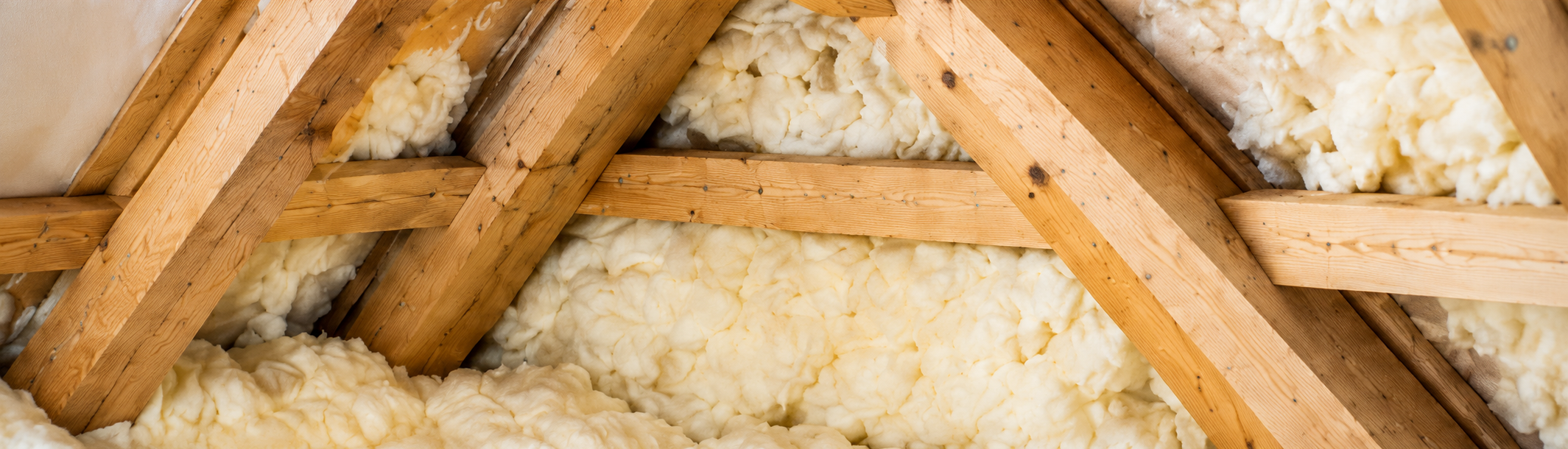
Probably the most efficient kind of insulation is foam. Why? It’s versatile enough for just about any structure or awkward shape, starting out as a liquid before expanding to seamlessly create a tight thermal barrier.
2. Double (or Triple) Glazing
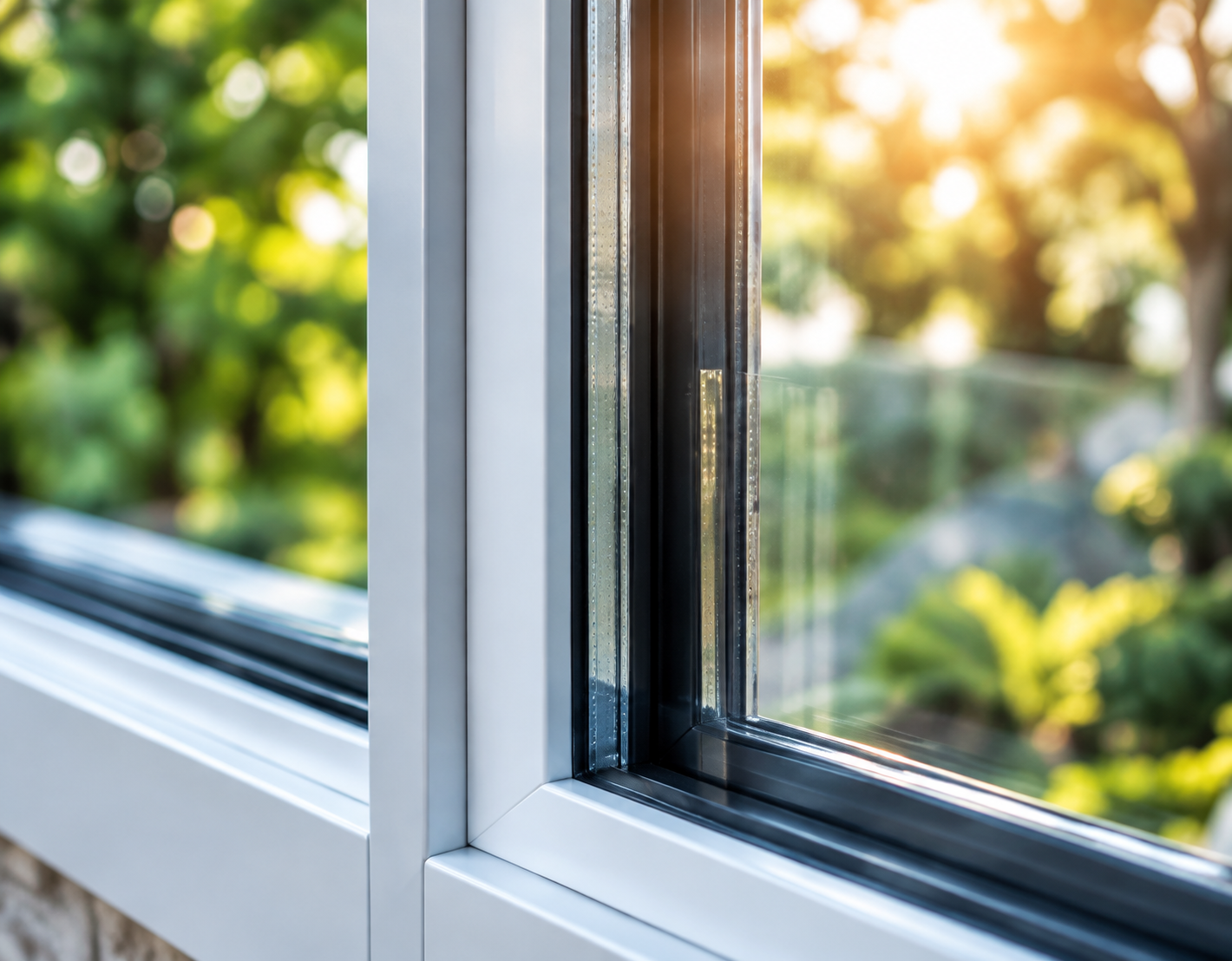
While it’s pretty common knowledge that double glazing keeps the heat in, you’d probably still be surprised by exactly how much energy can be lost without it. Yep, on top of lots of energy efficient building design, double glazing is evergreen! We’d even go as far as to suggest triple-glazing, minimising as much heat as possible in the colder months while keeping the heat out in warmer ones.
3. Get energy efficient doors
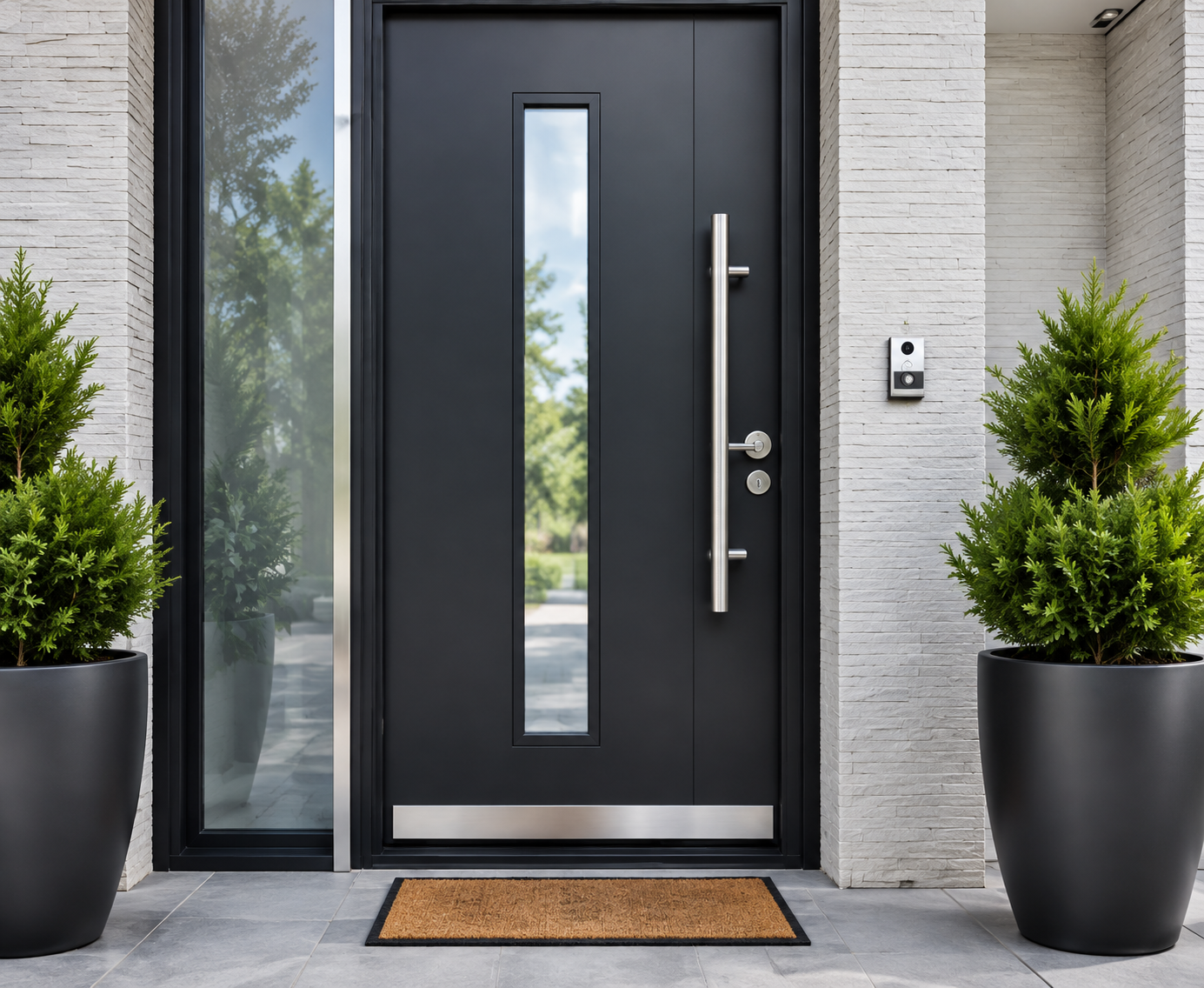
While windows take the limelight, doors are often overlooked when it comes to planning energy efficient buildings. However, doors that are solid or don’t fit right can have many consequences on eco-friendliness — letting draughts in and heat out. How can you know you’ve energy efficient a front door is going to do? Look at the rating. A with windows, A++ is the optimal value. E is the least efficient.
4. Go for Radiant Heating
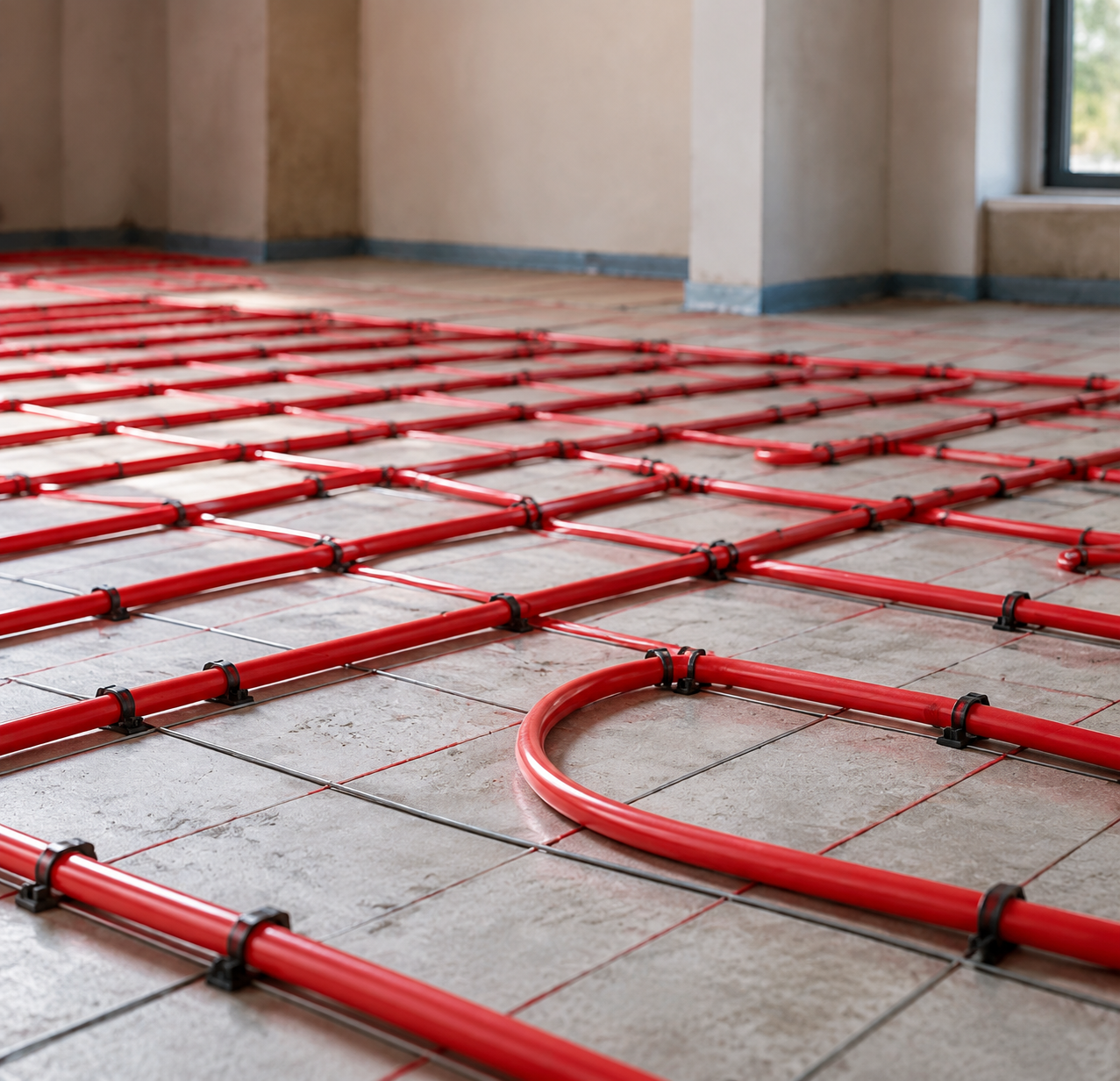
Forget radiators and say hello to radiant heating, which works by heating a room’s surface directly from its core. It’s more comfortable, yet cost-effective too as lower heat is a decent mode to be sent as high temperature. The panels are put behind walls, floors and ceilings, and their warmth radiates and gets absorbed into the contents of the room. The result? People feel warmer, faster.
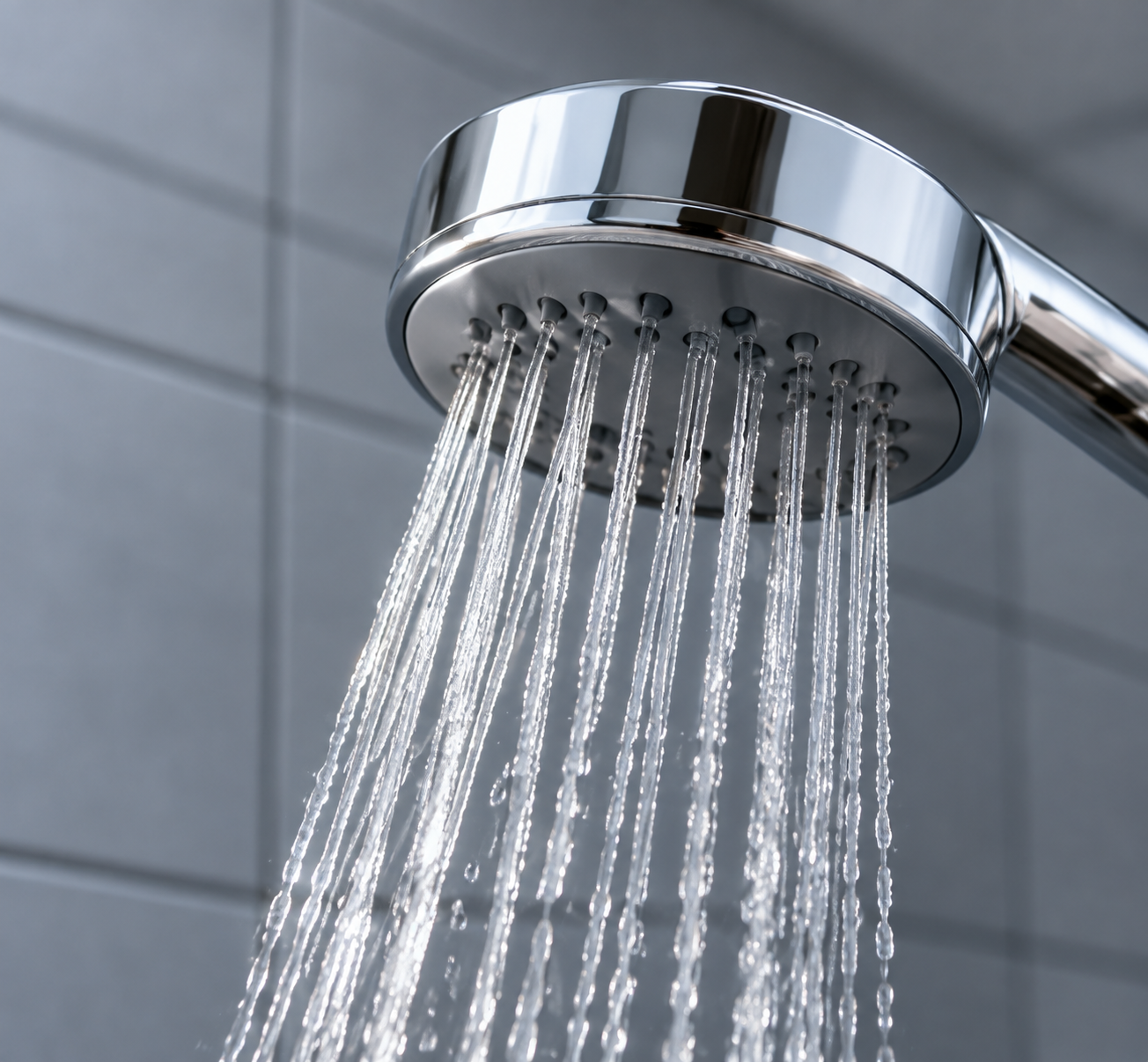
5. Install efficient showerheads and toilets
Efficient usage of water is an important factor in energy efficiency, which is why water calculations are required by the building regs for all new projects. A great way to conserve water usage is to install low-flow showerheads and toilets.
Low-flow showerheads don’t just reduce the water coming through the shower itself but they have pause buttons to shut off the water while the water lather up. As for the toilets, these make a small big difference. Water consume only flush is still less than a home reducing to a 6–9 significant cut with a potable home less all domestic washing an average of 3 gallons per flush — that’s 50,000 gallons a year!
If there is anything you feel unclear about or you simply want to speak to one of our team members, don’t hesitate to give our office a call.