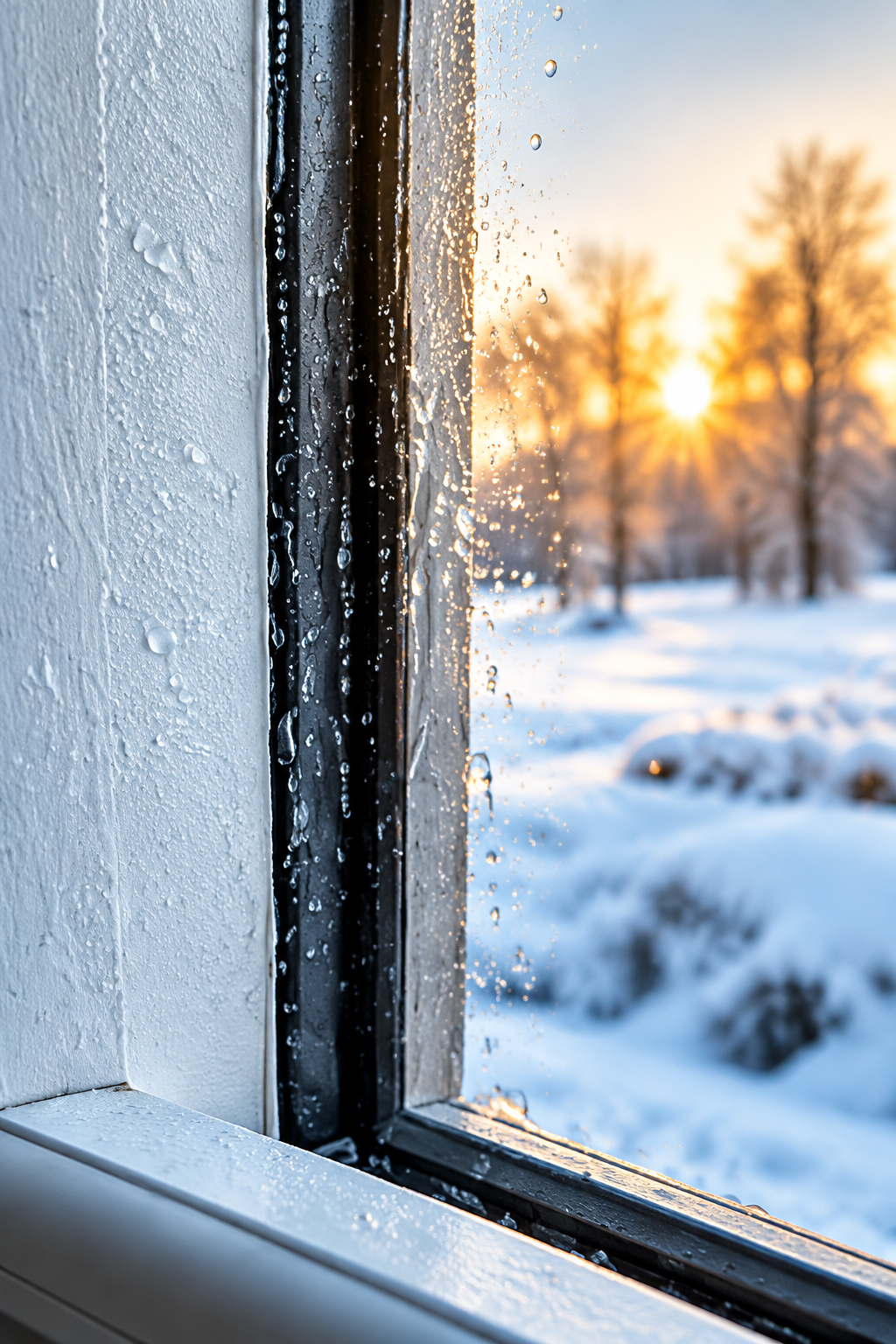
Any warm moist air from the inside that finds its way through the building’s external envelope can cause condensation. Specifically, this is interstitial condensation (meaning the space between objects or structures) which happens when this warm air reaches a cold surface like the outside of the hole or a cold water pipe.
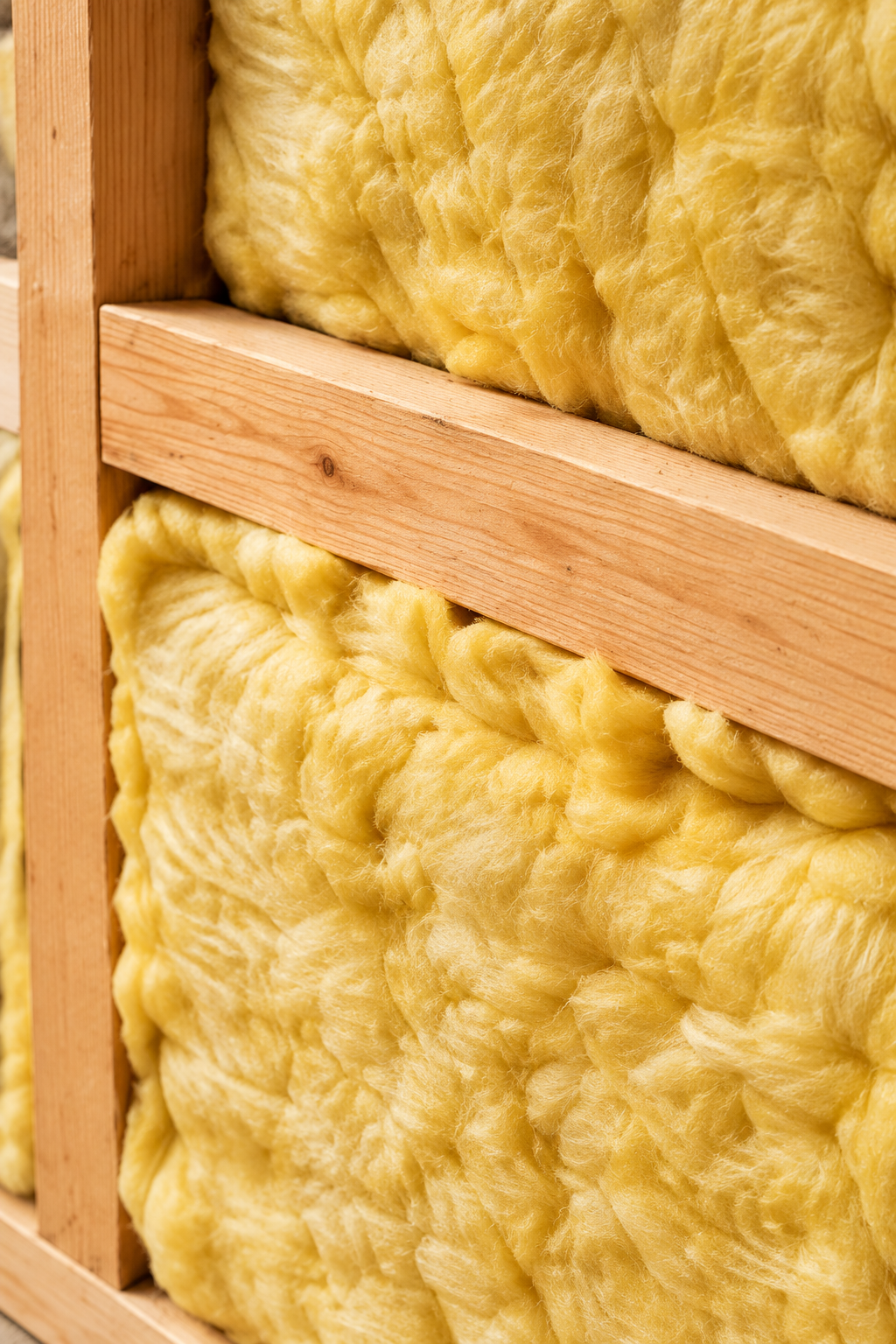
This can lead to a loss of one which is expensive to heat and can also mean costly moisture damage. Increase the airtightness of your build and it significantly reduces the chances of fabric decay happening.
2 The Environment
Airtightness tests exist because of the extreme tightening of CO₂ emissions targets, driven by UK and EU climate policies. These tests help to ensure construction standards match the required levels, so your new build is energy efficient and compliant.
Our assessors can provide guidance on how to achieve the right level of airtightness and how it impacts your SAP calculations.
3 20p holes
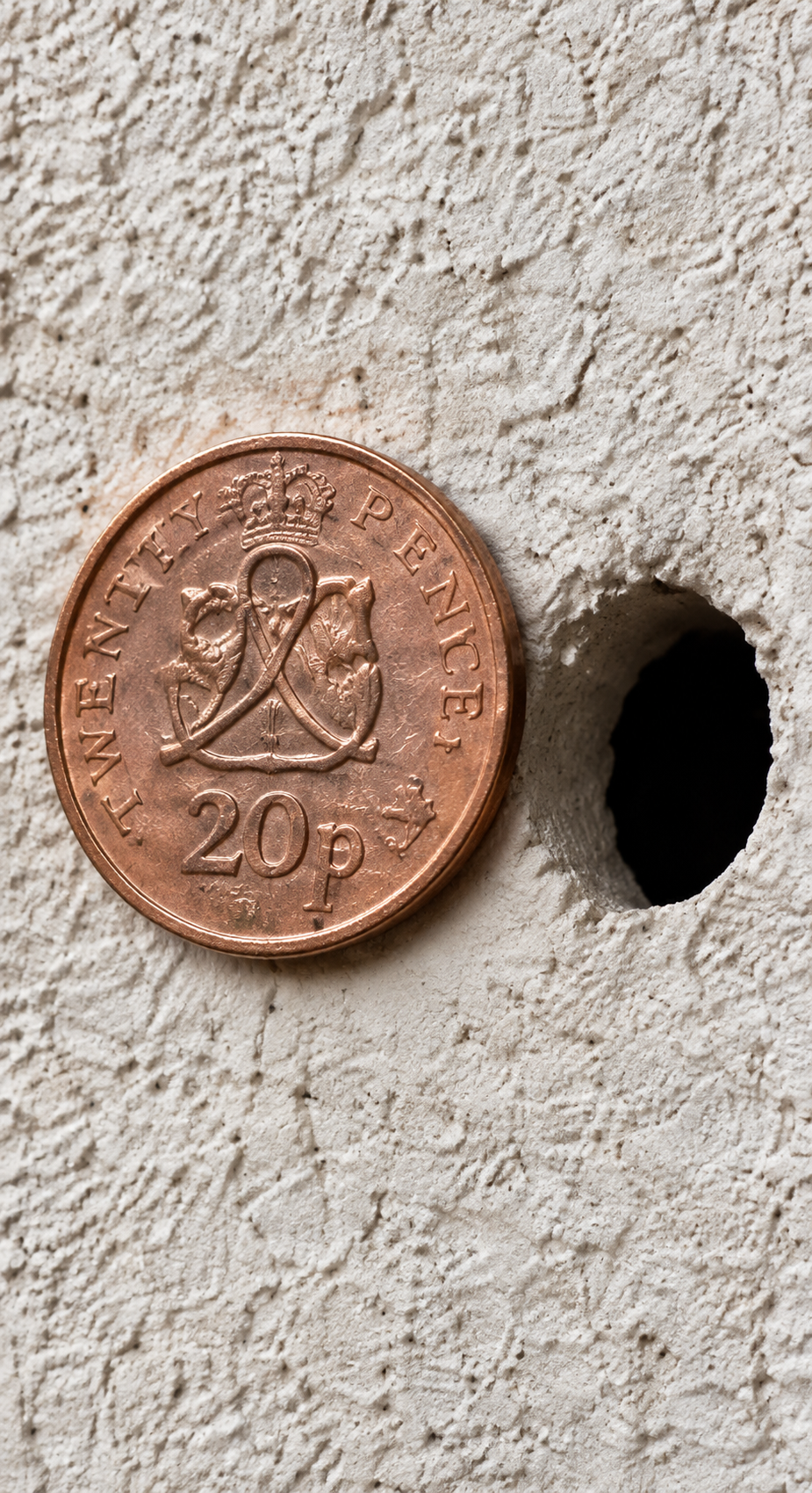
If you achieve an air tightness figure of 3 m³/m²/hr, so pft, it’s really only the equivalent of having a hole the same size as a 20p coin in every m² of external wall in the entire building envelope.
It’s pretty worrying though! So, if you don’t want a loose figure for a house, you need to be aiming for a much lower figure than this to achieve proper energy efficiency.
4 Build Right Ventilate Tight
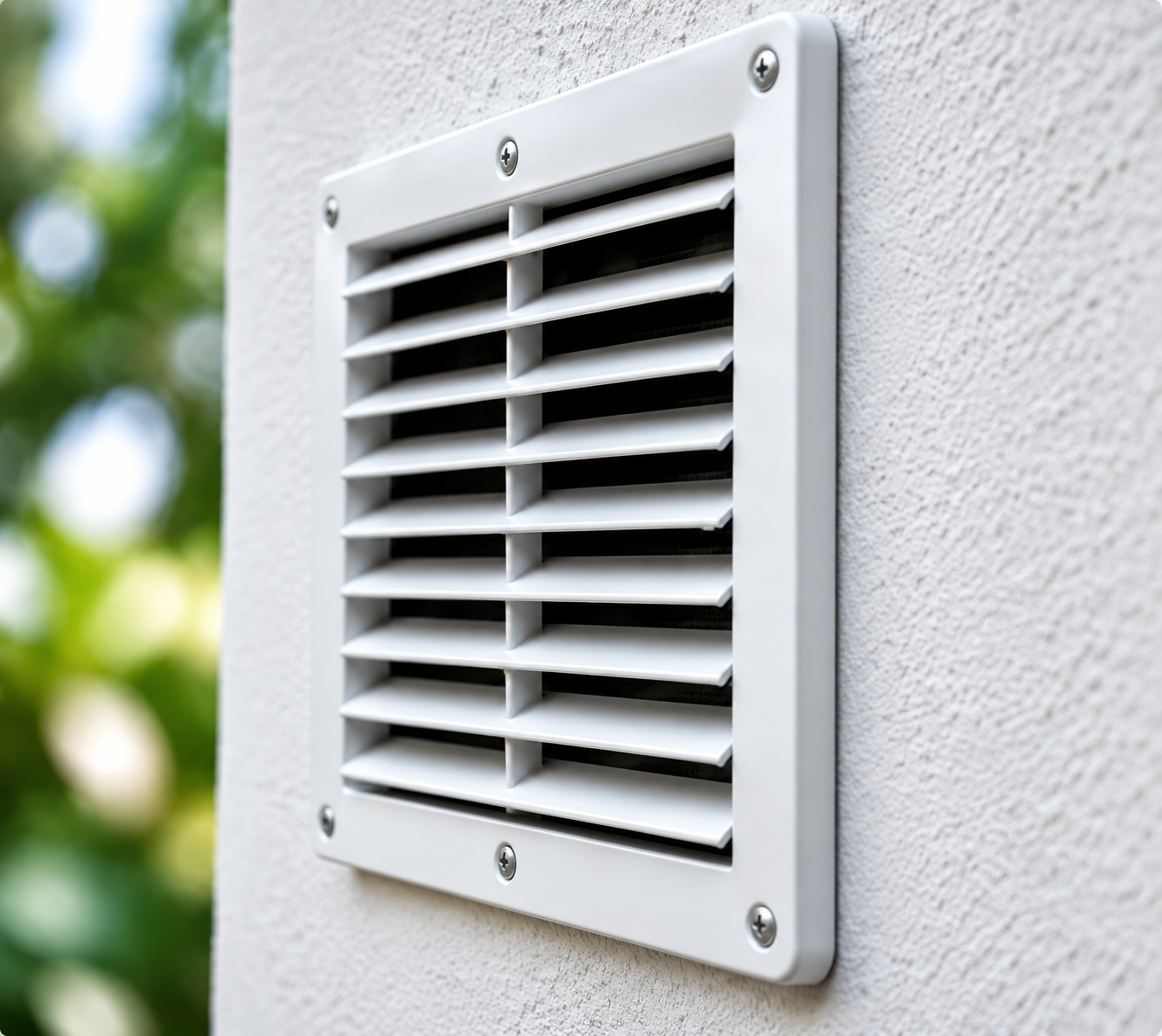
It’s not really possible for a building to be too airtight. The less air leakage the better. However, a building can be under-ventilated and this is a common mistake that people make – to focus solely on air tightness. It’s great ensuring that you have a nice, squeaky, effective building with no air leakage, you also have to think that people breathe. Ensuring enough air circulates the building is important to prevent the build-up of indoor air and some pollutants which come as a result of occupying or living in a space.
5 Improving one build at a time
You’ve just had the results of your air tightness test and it’s a pass, well done!
It may have been straightforward, but chances are it gives you a bit of a headache at least once in the process.
To make things easier on your next project, we highly recommend having an air leakage sub, even though you’ve passed.
Their validation to ensure the building is leaking so you can improve on these bits in your next building endeavour.
If there is anything you feel unclear about or you simply want to speak to one of our team members, don’t hesitate to give our office a call.